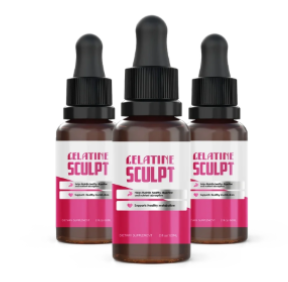
First: confirm the formula
Some public pages describe a short ingredient list built around green tea, berberine, turmeric and gelatine. Other label-analysis pages describe chromium plus a much larger proprietary blend containing amino acids and botanical extracts. Those differences can change the safety discussion substantially.
Photograph the complete Supplement Facts panel and the “other ingredients” section before evaluating interactions or side effects.
Caffeine and stimulant exposure
Green tea extract and guarana can contribute caffeine. If either appears on your bottle, total daily exposure matters—especially if you also use coffee, tea, pre-workout products or energy drinks. Caffeine sensitivity can show up as jitteriness, sleep disruption, palpitations, anxiety or stomach upset.
Do not assume a botanical is stimulant-free because the label does not use the word “caffeine” prominently.
Green tea extract considerations
Concentrated green tea extract is not the same exposure as drinking a cup of tea. NCCIH discusses safety concerns and possible medication interactions with green tea extracts. The exact amount and extract matter, which is another reason proprietary-blend labels are harder to evaluate.
Read the green tea extract safety and evidence guide for more detail.
Berberine interactions and pregnancy warnings
If your formula includes berberine, NCCIH notes gastrointestinal side effects such as nausea, abdominal pain, bloating, constipation or diarrhea and warns about medication interactions. Berberine should not be used during pregnancy or breastfeeding.
Because berberine appears on some Gelatine Sculpt formula pages but not others, verify the bottle before assuming those cautions do or do not apply.
Chromium and other ingredients
Some label reports identify chromium. NIH describes only a very small possible weight-loss benefit and provides safety information for supplemental chromium. A larger proprietary blend may also include botanicals or amino acids with their own interaction profiles.
The more ingredients a formula contains, the more important it becomes to review the complete list rather than focusing on one headline ingredient.
Who should speak with a health professional first?
- People taking prescription medication or multiple supplements.
- Anyone who is pregnant, breastfeeding or trying to become pregnant.
- People with liver, kidney, heart, blood-pressure, blood-glucose or significant gastrointestinal conditions.
- People with strong caffeine sensitivity or sleep problems.
- Anyone preparing for surgery.
- People experiencing unexplained or medically significant weight change.
A clinician or pharmacist can review the exact bottle label in the context of your medications and health history; an affiliate site cannot do that safely.
What if you have a reaction?
Stop using the supplement and seek appropriate medical advice if you develop concerning symptoms. Serious or unexpected adverse events can also be reported through the channels described by FDA. Keep the bottle and label so the exact ingredients and lot information remain available.
“Natural” does not mean risk-free
FDA and NCCIH both caution consumers not to equate natural ingredients with guaranteed safety. FTC guidance also requires marketers to have adequate evidence for safety claims, not just benefit claims.
- FDA — Questions and Answers on Dietary Supplements — Labeling and regulatory context.
- FDA 101: Dietary Supplements — FDA does not pre-approve dietary supplements for safety or effectiveness.
- NCCIH — Green Tea — Green tea evidence and safety.
- NCCIH — Berberine and Weight Loss — Evidence is not conclusive; includes safety considerations.
- NIH Office of Dietary Supplements — Chromium — Clinical trials show only a very small weight/body-fat benefit.
- NCCIH — Weight Control — Evidence-based weight-management context.
- FTC — Health Products Compliance Guidance — Health advertising claims should be truthful, not misleading and adequately substantiated.
- Gelatine Sculpt formula portal — Third-party/product-oriented page describing a four-component formula; verify against the bottle label.
- Recent label-analysis article — Secondary source describing a chromium + proprietary-blend label; illustrates why current bottle verification matters.