Quick answer: does green tea extract cause meaningful weight loss?
Green tea and concentrated green tea extracts have been studied for body weight, energy expenditure and fat oxidation. The evidence does not support treating green tea extract as a reliable stand-alone weight-loss treatment. NCCIH says green tea has not been shown to be effective for weight loss, while NIH consumer guidance on weight-loss supplements describes any effect from common stimulant/catechin ingredients as limited rather than transformative.
That distinction matters because supplement advertising can make a small physiological effect sound like a large real-world outcome. A compound may influence thermogenesis or fat oxidation in a laboratory setting without producing a clinically meaningful change on the scale.
What green tea extract is
Green tea comes from Camellia sinensis. Extracts concentrate compounds found naturally in the leaf, including catechins such as epigallocatechin gallate (EGCG). Depending on the extract, they may also contain caffeine. The amount and ratio of catechins and caffeine can vary substantially between products.
That is why “contains green tea” is not enough information for evidence-based comparison. A useful label should make it possible to identify the serving size, the amount of extract, and—when disclosed—the standardization or amount of relevant constituents. In a proprietary blend, the amount of a particular botanical may be hidden even when the ingredient name is visible.
EGCG, caffeine and the metabolism claim
EGCG is the catechin most often discussed in relation to weight management. Caffeine can temporarily increase alertness and energy expenditure. Researchers have therefore studied combinations of catechins and caffeine for possible effects on thermogenesis and fat oxidation.
Mechanism is not the same as outcome. Even when a biological pathway is plausible, the decision-relevant question is whether people taking the intervention lose a meaningful amount of weight compared with an appropriate control group, and whether the result is consistent enough to reproduce.
This is a useful filter for any supplement page that leads with phrases such as “boosts metabolism,” “activates fat burning,” or “supports thermogenesis.” Those phrases can describe a proposed mechanism without telling you the size of the real-world effect.
What human evidence can and cannot tell us
Authoritative summaries are cautious. NCCIH does not describe green tea as an effective weight-loss treatment. NIH’s broader weight-loss supplement guidance also warns consumers that many supplements have little evidence of meaningful benefit and that “natural” does not guarantee effectiveness or safety.
There are several reasons results can differ across studies: the catechin dose, caffeine content, duration, participant characteristics, diet, exercise, adherence and the exact extract can all vary. That makes it risky to take a study of one standardized extract and apply the result to every product that lists “green tea extract.”
For a multi-ingredient formula, there is another evidence gap. Even if one ingredient has studies, that does not prove the finished blend produces the same outcome. The formula could use a different dose, different extract, or a quantity too small to resemble the research.
Green tea extract safety: brewed tea is not the same exposure
Drinking ordinary green tea and taking a concentrated extract are not equivalent. Concentrated products can deliver much larger amounts of catechins and sometimes caffeine in a small serving. NCCIH notes safety concerns associated with green tea extracts and advises consumers to consider possible interactions with medicines.
Caffeine can contribute to jitteriness, sleep disruption, palpitations or gastrointestinal discomfort in sensitive people. Concentrated botanical extracts may also carry risks that are not obvious from the word “tea” on the label. People taking medication, people who are pregnant or breastfeeding, and people with liver or other significant health conditions should discuss concentrated supplements with a qualified health professional.
How to read a green tea extract label
| Label detail | Why it matters |
|---|---|
| Amount of green tea extract per serving | Lets you compare the product with research rather than relying on ingredient presence alone. |
| Standardization or catechin/EGCG information | Helps identify what the extract actually contains. |
| Caffeine amount | Important for total daily stimulant exposure and sleep. |
| Proprietary blend | May prevent you from knowing the individual dose of green tea extract. |
| Serving directions | Determines total daily exposure, not just the amount in one dropper or capsule. |
If those details are not available online, the bottle’s Supplement Facts panel is the better reference point. FDA requires dietary supplement labels to identify dietary ingredients and generally disclose amounts per serving, except for individual components hidden inside a proprietary blend.
Why this matters for Gelatine Sculpt
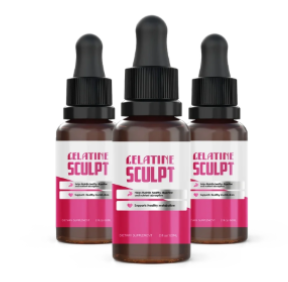
Green tea extract appears in multiple public descriptions associated with Gelatine Sculpt, but public formula descriptions using the same product name do not fully agree. One product-oriented portal describes a short formula including green tea, while a separate recent label-analysis article describes chromium plus a larger proprietary blend that also includes green tea.
That conflict is more important than the ingredient headline. Before using green tea research to evaluate Gelatine Sculpt, first confirm which Supplement Facts panel applies to the exact bottle and seller you are considering.
From here, the most useful next step is the Gelatine Sculpt ingredients and label guide. If you are evaluating the whole offer rather than one ingredient, continue to the independent Gelatine Sculpt review.
Realistic expectations for weight-management supplements
Weight management is influenced by energy intake, food pattern, physical activity, sleep, medications, medical conditions and many other factors. NCCIH recommends discussing a weight-loss program with a health professional when appropriate, especially when health risks or medications are involved.
A supplement can be convenient to take and still have a modest or uncertain effect. That is why this site separates three questions: what the ingredient might do, what clinical evidence has actually measured, and whether the finished commercial product has evidence of its own.
- NCCIH — Green Tea — Green tea evidence and safety.
- NIH Office of Dietary Supplements — Weight-Loss Supplements — Consumer evidence summary.
- NCCIH — Weight Control — Evidence-based weight-management context.
- FDA — Questions and Answers on Dietary Supplements — Labeling and regulatory context.
- FTC — Health Products Compliance Guidance — Health advertising claims should be truthful, not misleading and adequately substantiated.
- Gelatine Sculpt formula portal — Third-party/product-oriented page describing a four-component formula; verify against the bottle label.
- Recent label-analysis article — Secondary source describing a chromium + proprietary-blend label; illustrates why current bottle verification matters.