What is the gelatin trick?
The phrase “gelatin trick” is used for several online routines, but the core idea is usually simple: prepare unflavored food-grade gelatin in liquid and consume it before or around a meal. Some versions add lemon, tea, flavoring, sweetener or other ingredients. “Pink gelatin trick” and “jello trick” are often used as attention-grabbing variants of the same general concept.
There is no single standardized clinical protocol behind the viral phrase. Recipes, timing and add-ins vary from creator to creator, which makes dramatic claims difficult to evaluate as one intervention.
Why people think it may help
Gelatin is a protein-derived food ingredient. Protein-containing foods can contribute to fullness, and a pre-meal ritual can also change eating behavior by creating structure or slowing the transition into a meal. Those are plausible reasons someone might report that the routine helps them eat differently.
But a plausible satiety mechanism is not the same as proving a large reduction in body weight. To establish that, researchers would need a well-defined intervention, appropriate comparison, enough participants and enough time to measure meaningful outcomes.
What the evidence supports—and what it does not
Authoritative weight-management guidance does not identify a gelatin drink as a proven stand-alone treatment for obesity. NCCIH emphasizes healthy eating and physical activity and cautions consumers about unproven weight-loss supplements. NIH likewise notes that weight-loss supplement evidence is often limited.
That does not mean a gelatin routine cannot fit into someone’s diet. It means “I feel fuller” and “this reliably causes substantial fat loss” are different claims.
A simple food-based version
If you want to try the trend itself, the safest way to keep the experiment interpretable is to use ordinary food-grade gelatin and prepare it according to the manufacturer’s package directions. Do not invent a “clinical dose” for weight loss; one has not been established for the viral trick.
Our simple gelatin trick recipe intentionally keeps the preparation culinary rather than pretending it is a medication.
What is the “pink gelatin trick”?
“Pink gelatin trick” is largely a marketing/search phrase rather than a separate scientifically standardized treatment. The pink color can come from flavorings or ingredients added to a gelatin preparation, while commercial ads sometimes use the phrase to bridge into supplement offers.
Do not assume that a pink gelatin recipe, a dropper supplement and a prescription GLP-1 medicine share the same mechanism or evidence simply because an advertisement places them in the same story.
Does gelatin “activate GLP-1” like a prescription medicine?
Meals and nutrients can influence normal digestive hormones, including hormones involved in satiety. That broad physiological fact does not make a food routine equivalent to a prescription GLP-1 receptor agonist. Drug products are specific molecules with established pharmacology and clinical trial programs; gelatin is a food protein.
Be skeptical when marketing moves from “may help you feel full” to “works like a weight-loss injection” without direct evidence for the exact intervention.
Safety and suitability
Plain food gelatin is much simpler than a multi-ingredient supplement, but suitability still depends on allergies, dietary restrictions, swallowing issues and the other ingredients added to a recipe. Sweeteners, caffeine-containing add-ins or botanicals can change the safety and calorie profile.
People with medically significant weight concerns, eating disorders or complex health conditions should use professional guidance rather than a viral recipe as primary treatment.
Where Gelatine Sculpt fits
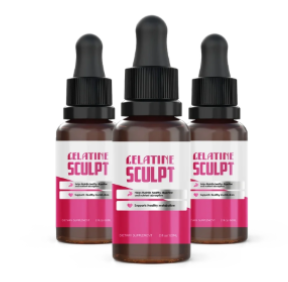
Gelatine Sculpt is marketed in the same search ecosystem, but it is a commercial liquid dietary supplement rather than a bowl or drink of plain gelatin. Its ingredient list, dose transparency, checkout and refund terms therefore create a different set of questions.
Compare them directly in Gelatine Sculpt vs the gelatin trick, or go to the full Gelatine Sculpt review.
Realistic expectations
A routine can be useful because it is easy to follow, but sustainable weight management usually depends on the broader pattern of eating, activity, sleep, environment and medical factors. Treat the gelatin trick as a food routine to evaluate—not a shortcut that makes those factors disappear.
- NCCIH — Weight Control — Evidence-based weight-management context.
- NIH Office of Dietary Supplements — Weight-Loss Supplements — Consumer evidence summary.
- FDA 101: Dietary Supplements — FDA does not pre-approve dietary supplements for safety or effectiveness.
- FTC — Health Products Compliance Guidance — Health advertising claims should be truthful, not misleading and adequately substantiated.